
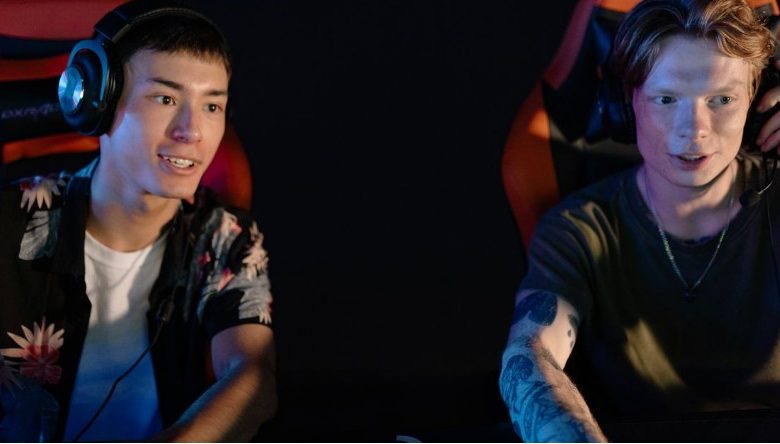
Have you ever noticed that the best gaming moments often happen when you’re playing with friends rather than alone? There’s something special about coordinating with teammates, celebrating wins together, and even laughing at shared failures. While competition gets all the attention in gaming culture, the truth is that connection runs just as deep through the veins of online gaming. The games that stick with us, the ones we keep coming back to, are often built on the foundation of relationships and community just as much as they’re built on winning.
Online gaming has evolved far beyond simple one-versus-one matchups. Modern games are social spaces where players form friendships, join communities, and build identities around shared interests. The mechanics, the graphics, and the gameplay systems all matter, but they’re secondary to the human connections that keep players invested over months and years. Understanding this shift reveals why online gaming has become such a dominant force in entertainment and culture.
The connection aspect isn’t just a side benefit either. Game developers actively build their systems around fostering relationships and teamwork. From voice chat features to guild systems to cooperative missions, the infrastructure of modern games prioritizes bringing people together. This isn’t accidental. It’s a core design philosophy that recognizes what keeps players engaged long-term.
How Games Create Social Spaces
Modern online games function as digital gathering places where people spend significant time together, much like how communities gather in physical spaces.
The most successful games create environments where players naturally interact beyond just competing. Cooperative gameplay modes force teammates to communicate and strategize together. Shared objectives mean that individual success depends on group success. When you’re relying on four other people to help you complete a difficult challenge, you start caring about their experience, not just your own performance. You learn their strengths, their playstyles, and eventually, you know them as people rather than just usernames.
Social hubs within games serve as meeting points where players can hang out, trade items, show off achievements, or simply chat. These spaces don’t directly contribute to winning, yet they’re incredibly popular because humans are social creatures. We want to be around others, to show off our accomplishments, and to feel part of something larger than ourselves. Games that recognize this and build in these spaces create stickiness that pure competition never could achieve alone.
The Role Of Community In Long-Term Engagement
Communities keep players invested in games far longer than gameplay mechanics alone could sustain.
When you join a gaming community, you’re joining a social group with shared values and interests. Members help each other improve, celebrate each other’s wins, and provide support during losses. New players get mentored by veterans. Experienced players find purpose in teaching others. This creates a cycle where everyone feels valued and invested in the group’s success. The game becomes secondary to the community that formed around it.
Guilds, clans, and teams represent formalized versions of these communities. Members often develop real friendships that extend beyond gaming. They coordinate schedules around game events, support each other through personal challenges, and maintain connections even when they’re not actively playing. Some friendships forged in online games last for decades. That’s the power of community. You can visit https://www.hoki22.com/ to see how different platforms approach community building in their own ways.
Competition Without Connection Feels Empty
Pure competition, stripped of social connection, actually creates a less satisfying gaming experience for most players.
Think about the difference between playing a competitive match against strangers versus playing against friends. The mechanics are identical. The rules are the same. The ranking systems function the same way. Yet playing against friends feels fundamentally different because there’s context, history, and relationship behind it. You’re not just trying to win. You’re testing yourself against people you know and respect. Losses sting differently, and wins feel more meaningful.
Games that focus exclusively on competitive ranking systems without building in social features often struggle with retention. Players reach their skill ceiling, achieve their rank goals, and then leave because there’s nothing keeping them invested. But games that combine competition with friendship, teamwork, and community create reasons for players to keep coming back even after they’ve achieved their competitive goals. They keep playing because their friends are playing, because their team needs them, because they’ve built something with others.
How Developers Design For Connection
Game designers understand that connection drives engagement, so they build systems specifically to foster relationships.
Matchmaking systems pair players with similar skill levels, which helps create balanced matches but also increases the likelihood of finding people you enjoy playing with repeatedly. Progression systems reward both individual achievement and group contribution. Seasonal events and limited-time content give communities shared experiences and common goals to work toward together. Communication tools, whether voice chat or text, are built directly into games rather than requiring external platforms.
Some games even implement social features like mentorship programs, where experienced players can formally guide newcomers. Others create achievement systems that reward cooperation. For example, you might slot mahjong with friends in certain game modes, earning bonuses for playing together over extended periods. These aren’t just nice features. They’re deliberate design choices that recognize connection as a core pillar of the gaming experience.
The Balance Between Competition And Community
The healthiest gaming environments maintain a careful balance between competitive drive and community values.
Competition can actually strengthen communities when it’s framed around friendly rivalry and mutual improvement. Players push each other to get better. Teams celebrate victories together and analyze defeats to improve. The competitive element gives the community purpose and direction. But without the community aspect, competition becomes toxic. Players trash-talk, exploit others, and treat gaming as purely transactional.
Games that thrive long-term have found this balance. They support competitive play while maintaining strong community standards. They celebrate individual skill while recognizing that teams accomplish more than individuals. They reward winning while also rewarding sportsmanship and cooperation. This dual focus keeps both competitive players and casual social players happy, creating diverse communities where different types of players can coexist.
Looking Forward
As online gaming continues to evolve, the importance of connection will only increase. Younger players entering the gaming space prioritize social features and community just as much as gameplay. The games that recognize connection as equally important to competition will be the ones that define the next generation of gaming culture.
