Low-Tension Styling for Relaxed Textures: How to Keep Length While Wearing Silk-Press Extensions

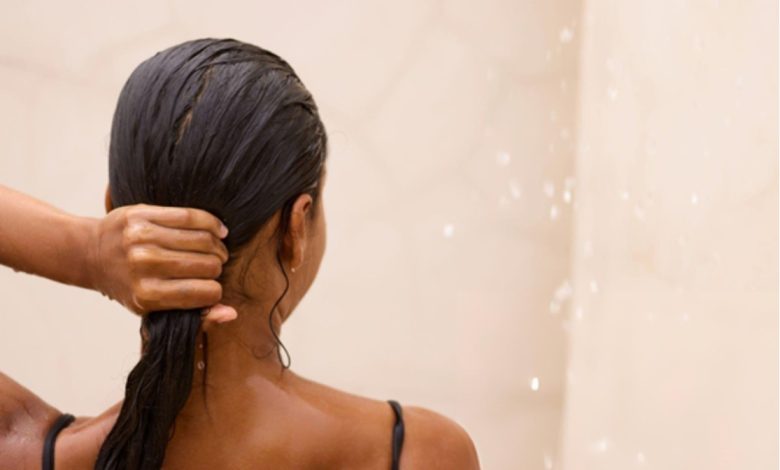
Keeping length with relaxed textures is absolutely possible—even when you love a sleek, silk-press look. The key is understanding that growth isn’t only about what your scalp produces; it’s also about what you retain. When your mane has been chemically straightened, it can be more prone to dryness, snapping, and edge stress—especially if you add heat, tension, and heavy installs on top. This guide bridges the gap between “I want my tresses to flourish” and “I still want my style,” using low-tension, low-friction rules that protect fragile strands, support thinning areas, and help you keep more of the length you already earned.
Relaxed Hair Extensions: Growth Retention Basics Without the Stress
Textured hair has natural bends and coils that make it beautifully versatile, but once it’s relaxed, those strands often become more delicate and less elastic. That’s why “retention” matters so much: your tresses can be growing, but rough handling, tight styling, and frequent heat can quietly chip away at your ends. If you’re minimizing manipulation while you rebuild strength, Relaxed Straight Hair Extensions can help you stay sleek without daily heat. Think of length retention as a four-part system: tension, heat, friction, and detangling. When any one of these gets out of balance, breakage increases—especially on relaxed strands. Here’s what “low-tension, low friction” looks like in real life:
- Keep styles lightweight and avoid “snatched” installs
- Limit direct heat and use one-pass technique (no repeated comb-chasing)
- Reduce friction with satin/silk at night and gentle brushing tools
- Detangle in sections with slip, starting at ends and moving upward
If your relaxed hair is thinning, your best move is to choose extensions that reduce daily styling while keeping weight and tension low. Look for options that are:
- Light density (so your roots aren’t carrying extra load)
- Soft and flexible (less pulling during blending)
- Designed for low manipulation (so you aren’t re-doing your style every morning)
Silk Press Extensions: Heat-Smart Sleek Styling That Protects Your Edges
Silky styles can be safe—when the technique is protective. The biggest mistake people make is treating silk-press looks like they require constant heat touch-ups. For relaxed textures, repeated heat is one of the fastest ways to dry out the shaft and weaken fragile ends. Your goal is to get a smooth finish once, then maintain it with low-friction habits rather than more heat.
Here’s where the right extension choice helps. When your base is supported with an install that blends easily, you’re less tempted to “fix” your mane daily. For a polished finish that still respects fragile strands, Silk Press Hair Extensions pair well with low-tension installs and gentle edge care. That kind of pairing matters because it can reduce how often you reach for hot tools.
Now, to answer a common concern: Can silk press styling cause traction alopecia? A silk press by itself is primarily a heat service, while traction alopecia is mainly caused by repeated tension on the follicle (tight ponytails, heavy installs, constant pulling—especially at the hairline). That said, silk-press styling can contribute indirectly if it leads to tight brushing, aggressive smoothing at the edges, or repeated slick styles that keep the hairline under stress. If you notice soreness, bumps, or thinning around the temples, treat that as a stop sign and switch to looser styling immediately.
Heat-smart rules that protect relaxed tresses:
- Use a heat protectant every time (non-negotiable)
- Keep tools clean and avoid multiple passes on the same section
- Skip high-tension finishing (no tight wrap-around ponytails)
- Maintain with rollers, wraps, and humidity control—not daily flat ironing
Low-Tension Install Rules for Thinning Areas and Breakage-Prone Tresses
When people ask, “What extensions are best if my relaxed hair is thinning?” the safest answer is: the ones that create the least tension, carry the least weight, and require the least daily manipulation. Thinning hair needs distribution, not stress concentrated in one spot. That means your parting pattern, density, and placement matter as much as the extension type.
A few install principles that protect thinning areas:
- Parting strategy: Use larger, clean parts that avoid micro-sections (tiny sections raise tension)
- Weight distribution: Choose lighter bundles and avoid stacking too much hair in one area
- Tension checks: If it feels tight on day one, it’s too tight tightness doesn’t “settle,” it damages
- Edge protection: Keep leave-out minimal at the hairline, and avoid adhesive or heavy pulling there
If you’re wondering, “How do I wear straight extensions without breaking my real hair?” focus on reducing friction and stress at the point where your natural strands interact with the added hair. Use a gentle blending approach to avoid over-brushing. Also, be mindful of tools—hard bristles and repetitive brushing can rough up your relaxed strands. Instead:
- Smooth with a soft brush or wide-tooth comb, in sections
- Use lightweight serum on ends (not heavy grease at the root)
- Keep up with moisturizing wash days and conditioner slip
- Protect nightly with a satin scarf and low-friction bonnet/pillowcase
Finally, “How do I protect my edges while wearing extensions?” Think “no daily tension.” Edges respond best to consistency, softness, and rest. Keep hairline styling loose, avoid constant slick-downs, and rotate your part so the same follicles aren’t stressed repeatedly.
Signs Your Style Is Too Tight and What to Change Today
Your scalp gives quick feedback—if you know what to watch for. Tightness isn’t a beauty standard; it’s a warning. The earlier you respond, the more tresses you can save.
Same day “too tight” signs:
- Headache, throbbing, or tenderness along the hairline
- Small bumps or redness near the temples or nape
- A “pulled” feeling when you raise your eyebrows or move your forehead
- Excess shedding or short broken pieces around your edges
If you notice these signs, don’t wait. Make a change immediately:
- Loosen the style or remove the tension point (especially at the front)
- Switch to a low ponytail or wear the hair down for a few days
- Use a cool compress and avoid heat for the rest of the week
- If you have scalp sores, persistent pain, or visible thinning that worsens, consider seeing a dermatologist (especially if breakage shifts into patchy loss)
FAQs
What extensions are best if my relaxed hair is thinning?
Prioritize lightweight, low-tension options that don’t require tight anchoring or heavy density. A good choice is one that blends smoothly so you don’t feel pressured to over-style your mane daily.
How do I wear straight extensions without breaking my real hair?
Keep manipulation low: detangle gently, avoid constant brushing, protect at night, and don’t use heat as a daily “maintenance” tool. Breakage usually comes from repetition—repeated tension, repeated heat, and repeated friction.
Can silk press styling cause traction alopecia?
Traction alopecia is mainly tension-related (tight styling over time). Silk-press looks can contribute if they’re paired with tight ponytails, aggressive edge brushing, or heavy installs that pull on the hairline repeatedly.
How do I protect my edges while wearing extensions?
Avoid tight installs at the front, reduce slick styles, rotate parts, and treat edges like delicate fabric—gentle handling, minimal tension, and consistent protection. If your hairline feels sore, that’s your cue to loosen up immediately.


